Climate-controlled furniture storage keeps humidity and temperature swings from warping wood, rusting metal, and growing mold on your belongings. If you're moving, downsizing, or just need extra space this October, that protection matters more than most people realize. Baton Rouge's thick, subtropical air doesn't take a break for the seasons, and it's harder on furniture than most renters expect.
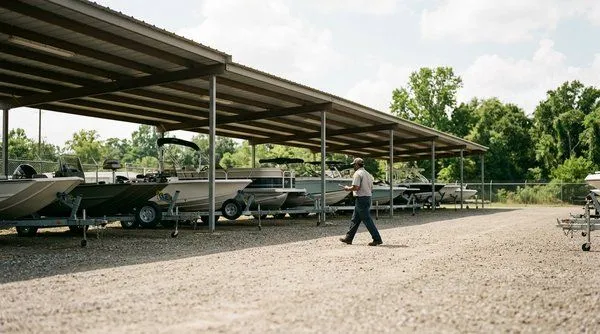
A standard drive-up unit might feel like the budget-friendly choice. But for wooden dressers, upholstered sofas, or grandma's antique hutch, that decision can backfire fast.


The Hidden Damage Standard Units Cause
Non-climate-controlled units trap ambient air, and in South Louisiana, that air is loaded with moisture. Over weeks and months, trapped humidity settles into porous materials like wood, leather, and fabric.
The result isn't pretty. Mold and mildew can bloom on upholstery within a single humid stretch. Wood veneers warp, joints loosen, and metal hardware starts to rust. Electronics stored alongside furniture face similar risks, since condensation can damage circuit boards and wiring over time.
This isn't a rare edge case. It's a common mistake first-time renters make when they choose price over protection. The good news: it's entirely avoidable with the right unit type.
What Climate-Controlled Furniture Storage Actually Protects
Climate-controlled storage regulates both temperature and humidity levels inside the unit. That combination is what makes the difference, not just cooling the air, but keeping moisture levels stable year-round.
Here's what benefits most from a climate-controlled environment:
- Wooden furniture like tables, bed frames, and cabinets, which crack or warp with moisture swings
- Upholstered pieces including sofas and chairs, which are prone to mildew and musty odors
- Family heirlooms and antiques where original finishes and materials are irreplaceable
- Electronics and appliances sensitive to condensation and corrosion
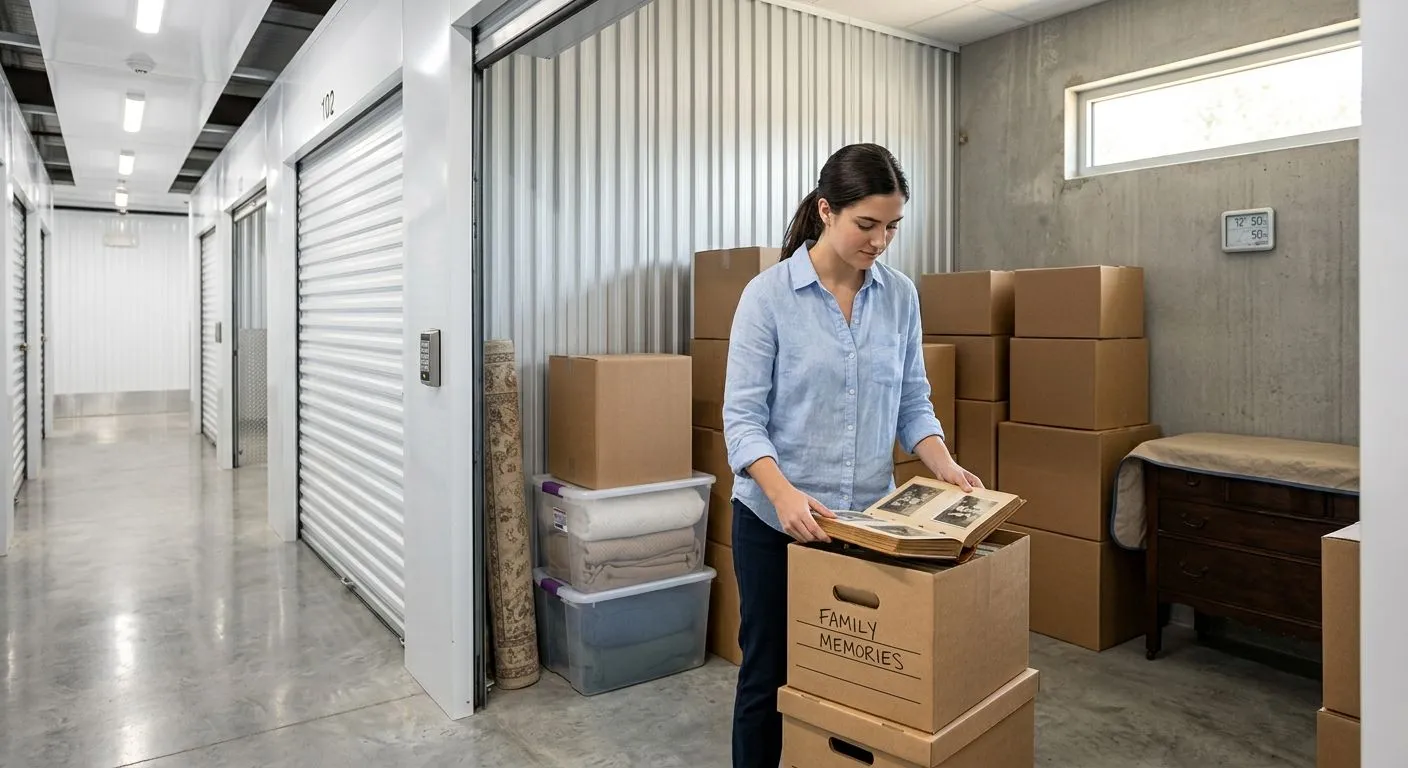
- Documents, photos, and keepsakes stored alongside furniture during a move or renovation
- Seasonal and hobby gear that sits unused for months at a time between activities
Anyone storing furniture during a home renovation, a relocation, or a staging period between properties should treat climate control as a baseline requirement, not an upgrade.
Why This Matters More Right Now
Baton Rouge homeowners are increasingly deliberate about protecting their investments. Industry data shows growing demand for climate-controlled units as renters get smarter about safeguarding furniture, seasonal equipment, and delicate belongings. That shift reflects a simple truth: replacing warped furniture costs far more than paying a bit extra for proper storage.
There's also a market advantage worth mentioning. With new self-storage construction slowing nationally, current renters are staying in their units longer than in past years. That steadier market means facilities are competing harder for long-term tenants, often through better rates and stronger customer service. October is a smart time to lock in a stable rate before winter humidity swings hit their next stretch.
What to Look for in a Storage Facility
Not all "climate-controlled" labels mean the same thing.
Before signing a lease, ask specific questions:
- Is the unit fully enclosed, or does it just have a fan or vent?
- What temperature and humidity range does the facility maintain?
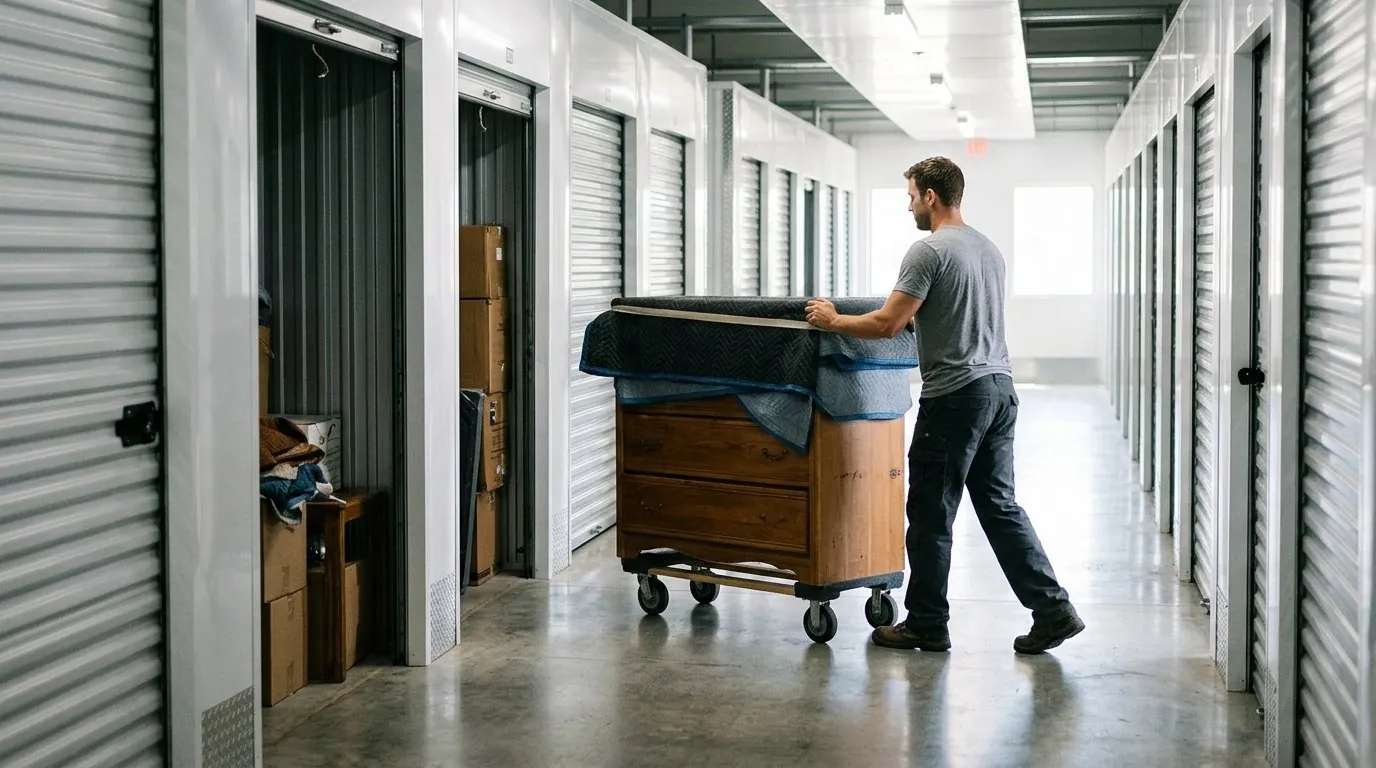
- Is the building single-story, which makes moving large furniture easier and reduces handling damage?
- How is the facility maintained during peak summer humidity?
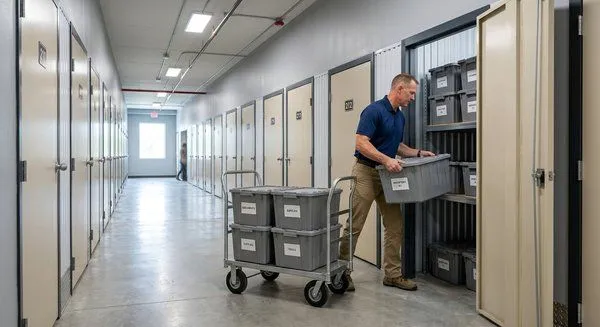
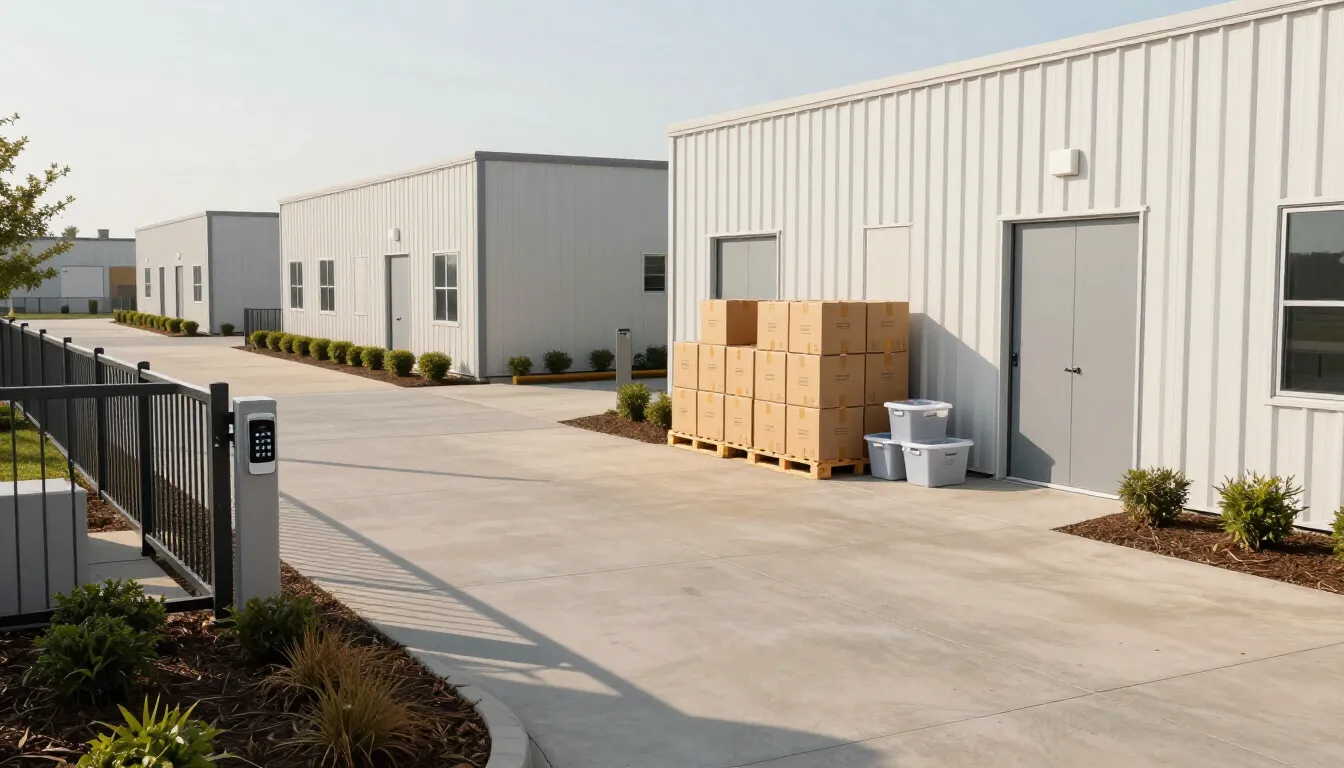
That last question matters a lot locally. Customers at Red Stick Storage have specifically praised how reliable the climate control stays even during the hottest stretch of summer, along with how clean and well-kept the property is year-round. A single-story layout also gets mentioned often, since it makes loading and unloading furniture far less of a hassle than navigating stairs or elevators.
Making the Move Without the Damage
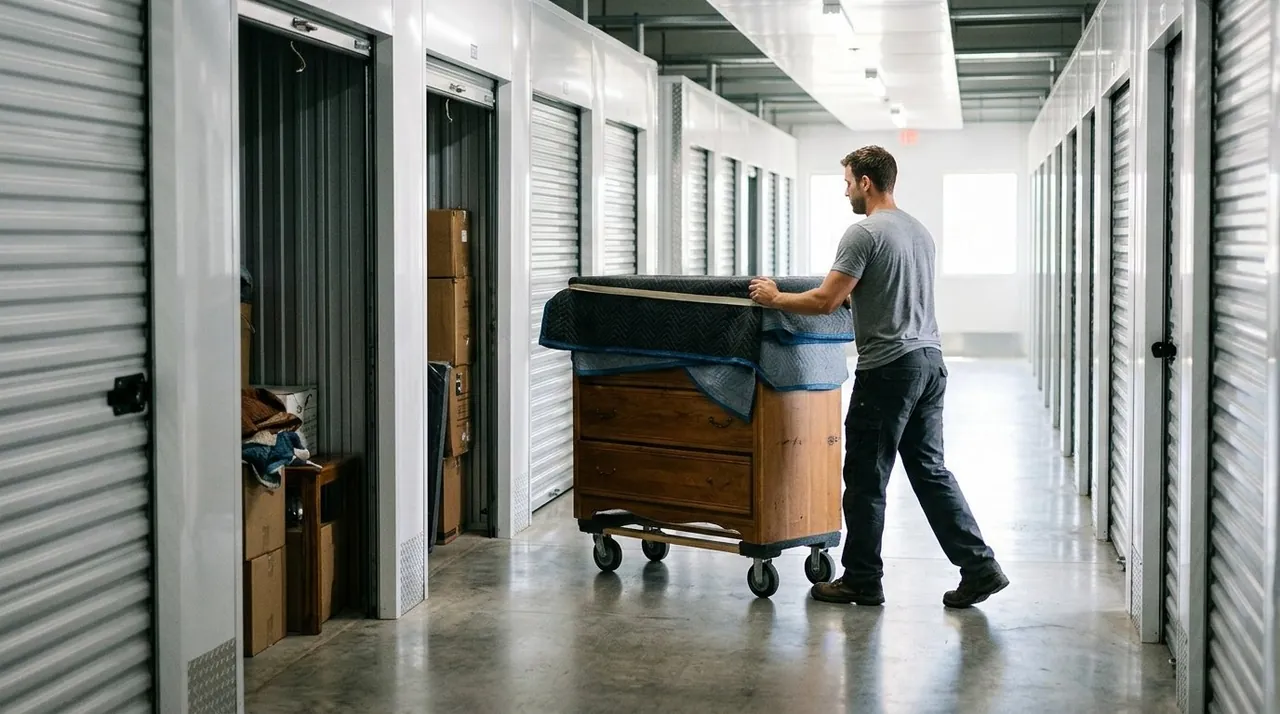
If you're planning a move this fall, a little prep work protects your furniture before it even reaches the unit. Wrap wood pieces in breathable furniture pads rather than plastic, which can actually trap moisture against the surface. Stand mattresses and cushions on edge rather than stacking them flat, allowing better air circulation.
Leave a small gap between furniture pieces and the unit walls, too. Airflow inside a climate-controlled unit still matters, even with the humidity regulated. These small steps combine with a properly conditioned unit to keep your items in the same shape they were in on move-in day.
For businesses using storage during office transitions, the same principles apply to any wood furniture, reception pieces, or client-facing decor being held between locations. A quick search for climate-controlled furniture storage near your neighborhood is a good first step toward comparing what local facilities actually offer.
Frequently Asked Questions
Does climate control really make a difference in Baton Rouge specifically?
Yes. The region's combination of high humidity and heat is tougher on furniture than drier climates, so temperature-only cooling isn't enough. Moisture regulation is the key feature that prevents mold, warping, and rust.
How long can furniture safely stay in climate-controlled storage?
There's no strict limit as long as the unit maintains stable conditions. Many renters are keeping items in storage longer than in past years, thanks to a steadier rental market with better long-term rates.
Is climate-controlled storage worth the extra cost for short-term moves?
Even for a few months, Baton Rouge humidity can cause noticeable damage to untreated wood and upholstery. For anything valuable or irreplaceable, the added protection is worth it regardless of how long you're storing.
What size unit works for a few furniture pieces versus a full household?
Smaller units handle a handful of pieces, while larger units accommodate full household moves, staging inventory, or combined furniture and boxes. Facility staff can usually help estimate the right size based on your specific list.
Ready to protect your furniture from Baton Rouge's humidity year-round? Reach out to Red Stick Storage today to find a climate-controlled unit that fits your move.